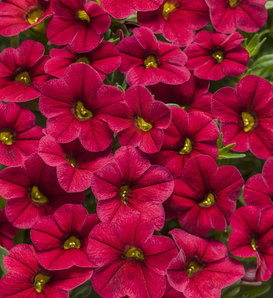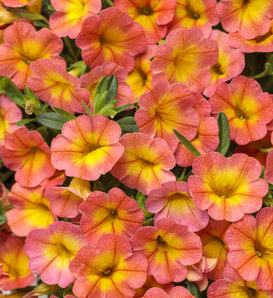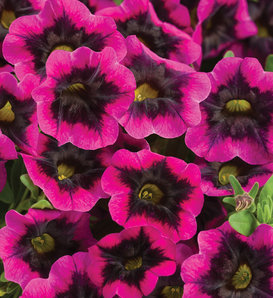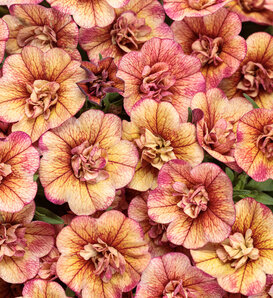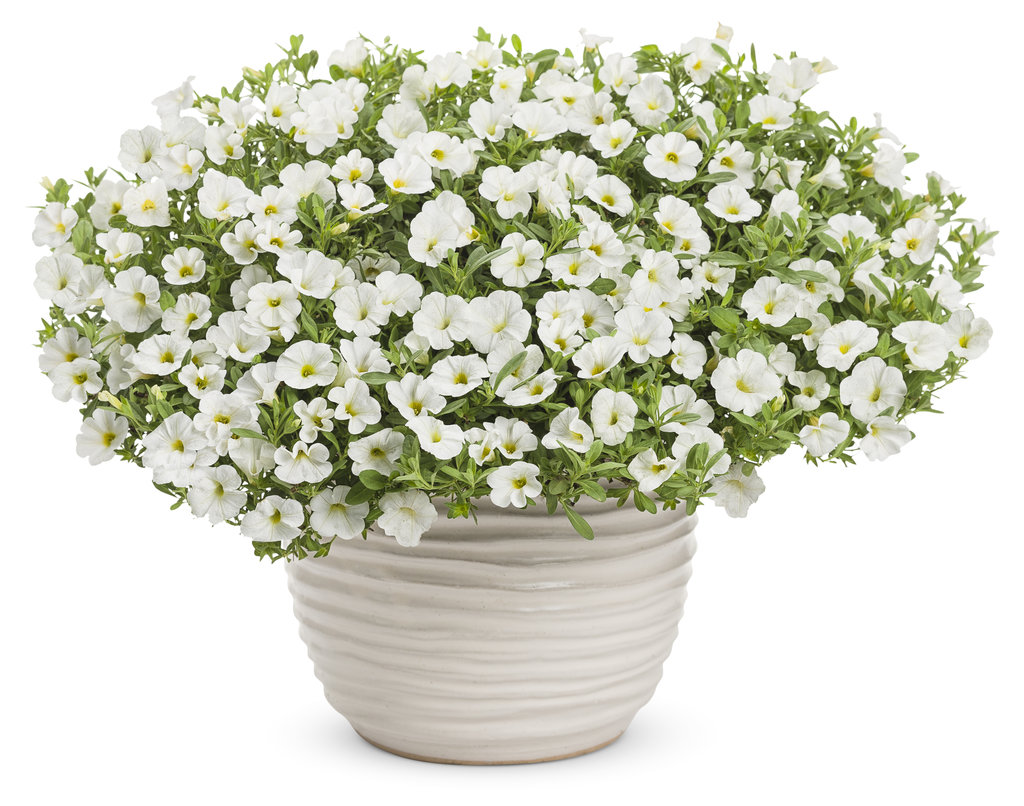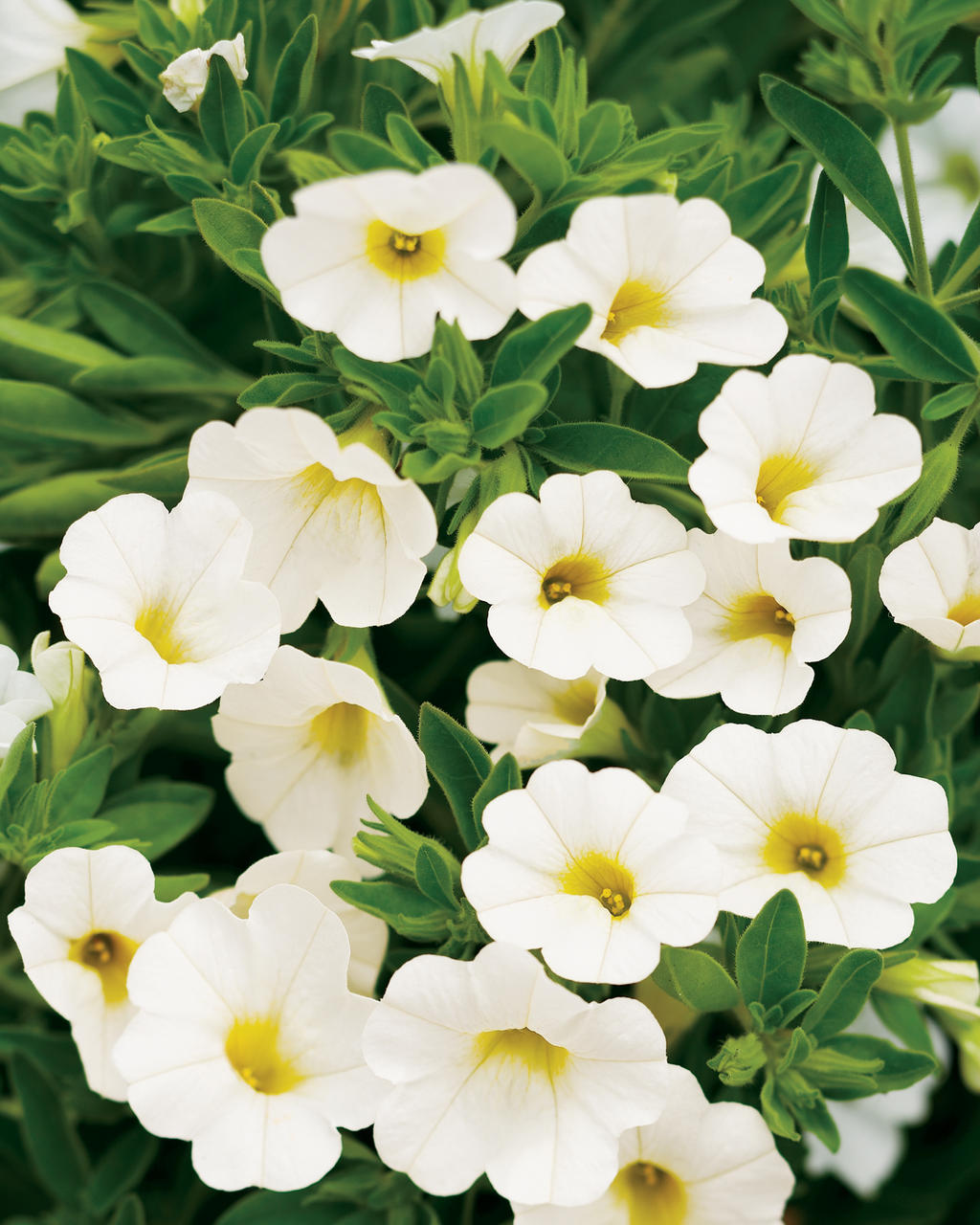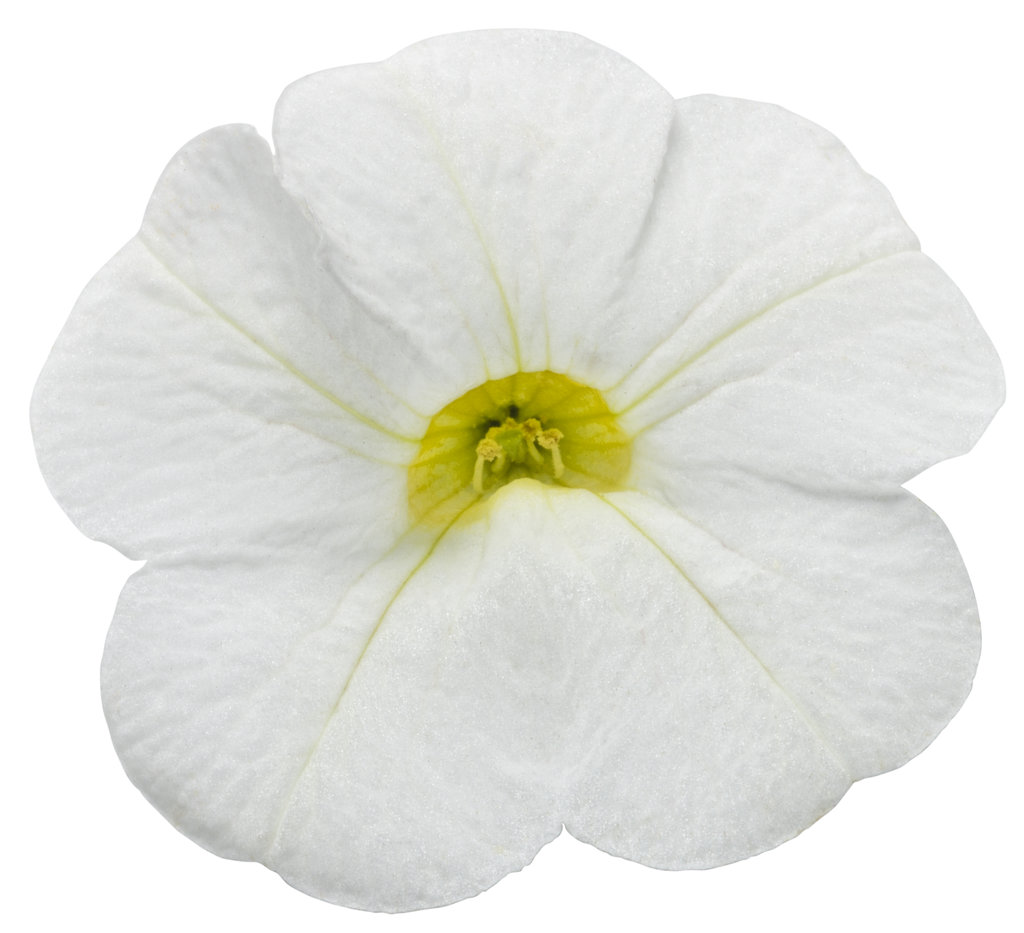




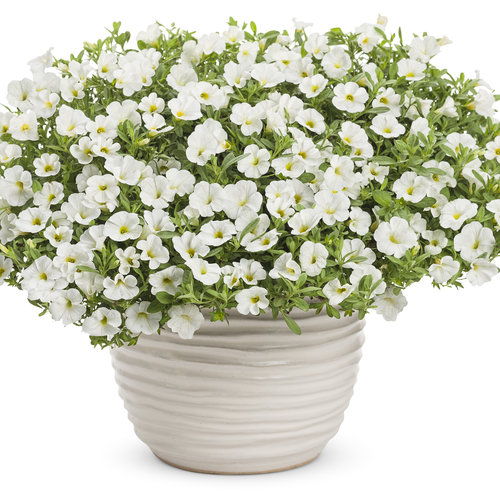
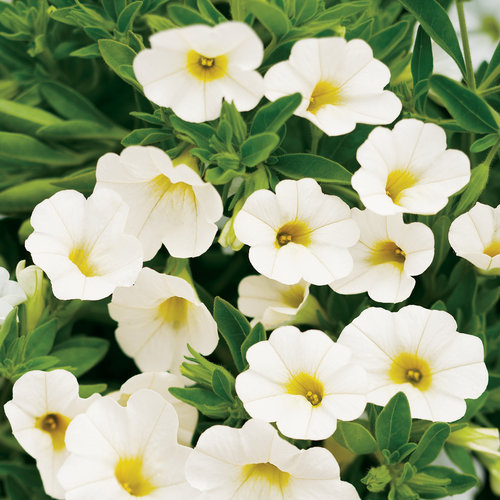
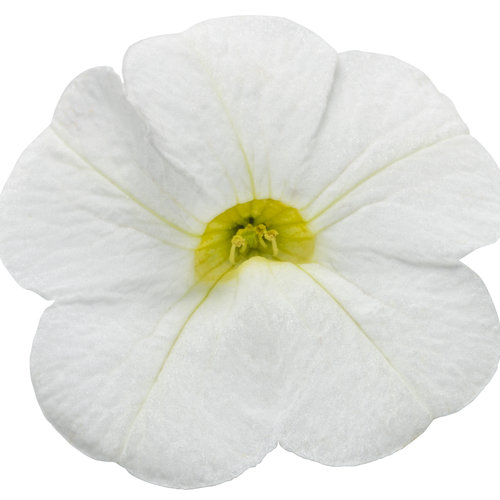
Superbells® White Calibrachoa hybrid






View larger image: superbells_white_improved_mono.jpgView larger image: 93327.jpgView larger image: 2022_national_recipe_amethyst_dreams_basket.jpgView larger image: 2022_national_recipe_amethyst_dreams_combo.jpgView larger image: superbells_white_improved_02_macro.jpgView larger image: harlemansceneo.jpgView larger image: torenia_window_boxes_39.jpgView larger image: torenia_window_boxes_33.jpgView larger image: 2022_national_recipe_amethyst_dreams_combo_outside.jpg
Exposure
- Part Sun to Sun
Flower Season
- Spring
- Summer
- Fall
Mature Size
Height: 6" - 12"
Spread: 12" - 2'
Height: 15cm - 30cm
Spread: 30cm - 61cm

-
6 - 12 Inches8 - 12 Inches12 - 24 Inches15cm - 30cm20cm - 30cm30cm - 61cm
Features
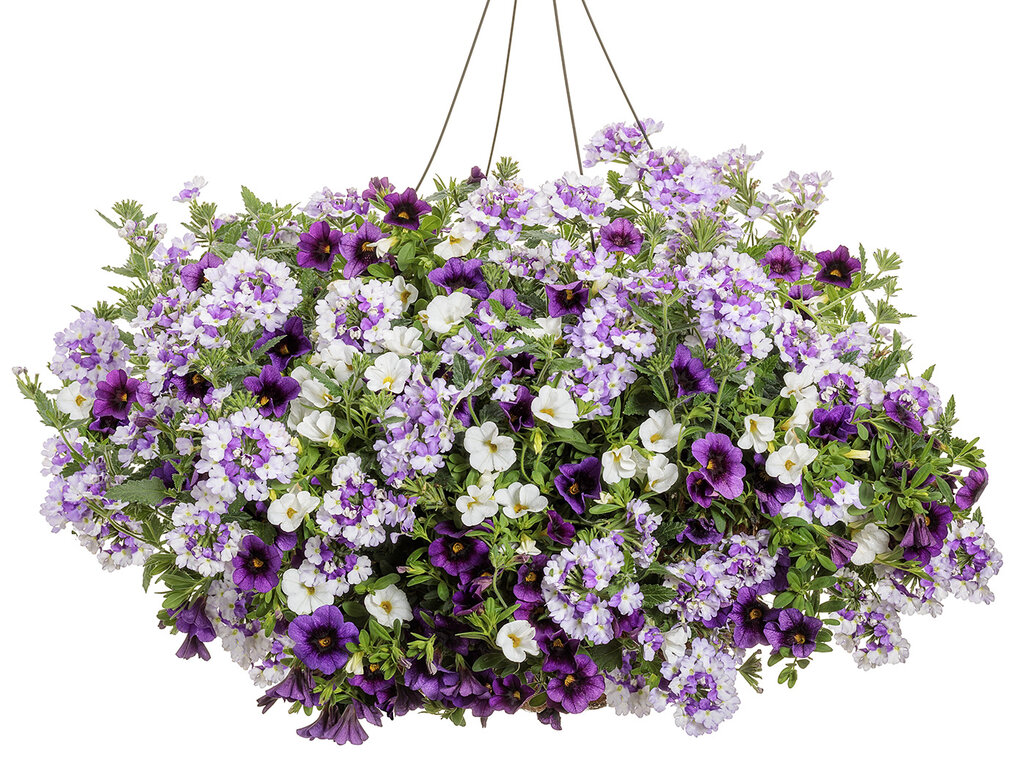
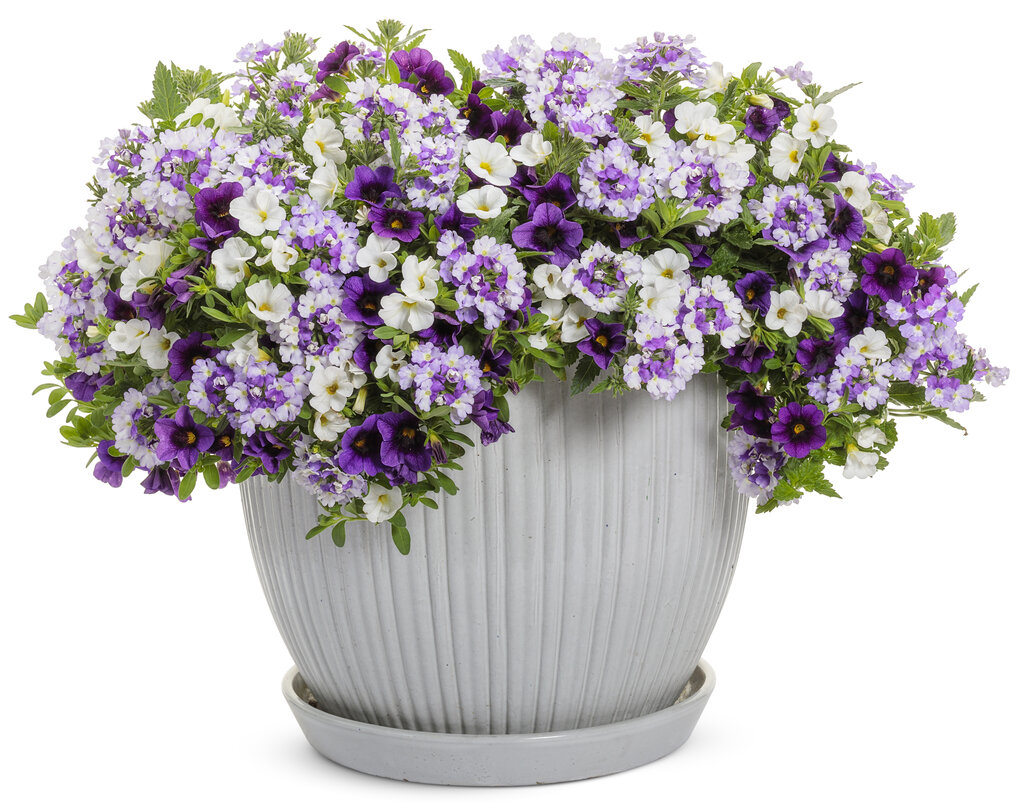
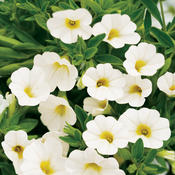
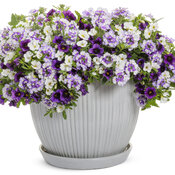
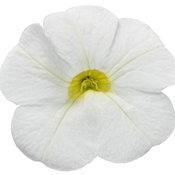
Abundant, small petunia-like flowers all season on cascading growth; low maintenance. The superbells white calibrachoa produces masses of white calibrachoa flowers on a vigorous trailing calibrachoa plant that performs beautifully all season.
Best SellerContinuous Bloom or RebloomerLong BloomingFall InterestHeat TolerantAttracts:HummingbirdsCharacteristics
Plant Type:AnnualHeight Category:ShortGarden Height:6 - 12 Inches 15cm - 30cmTrails Up To:18 Inches 46cmSpacing:8 - 12 Inches 20cm - 30cmSpread:12 - 24 Inches 30cm - 61cmFlower Colors:WhiteFlower Shade:WhiteFoliage Colors:GreenFoliage Shade:GreenHabit:Mounding TrailingContainer Role:SpillerPlant Needs
Light Requirement:Part Sun to SunThe optimum amount of sun or shade each plant needs to thrive: Full Sun (6+ hours), Part Sun (4-6 hours), Full Shade (up to 4 hours).
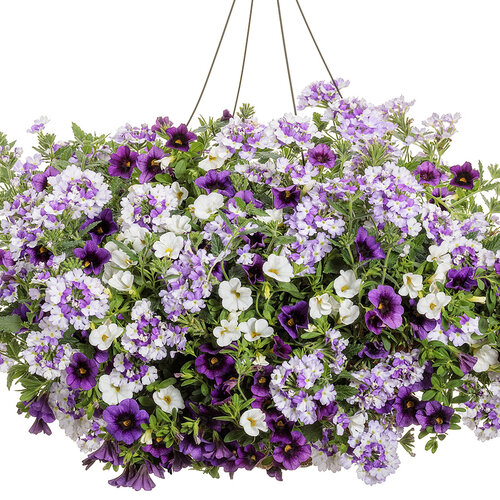
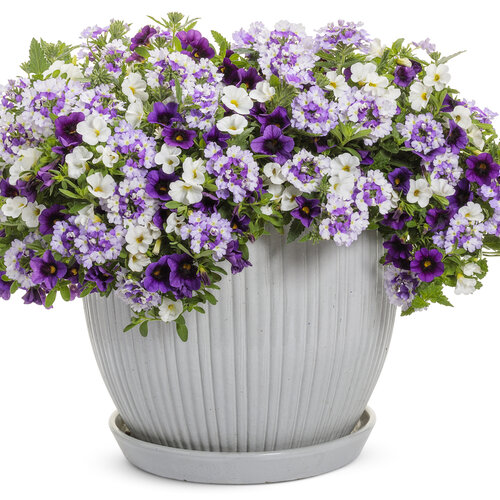
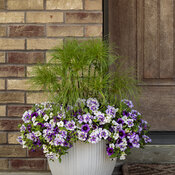
Maintenance Category:EasyBloom Time:Planting To Hard FrostHardiness Zones:9a, 9b, 10a, 10b, 11a, 11bWater Category:AverageNeeds Good DrainageSoil Fertility Requirement:Average SoilUses:ContainerUses Notes:Calibrachoa do not like to have constantly damp soil. They will do well in the ground only with good drainage. For most gardeners, calibrachoa for containers are the best use for the superbells white calibrachoa, where the cascading trailing calibrachoa plant can spill attractively over the edges of pots and baskets.
Maintenance Notes:When planting Calibrachoa I often give the plants a slight trim, using a sharp pair of scissors or pruning shears. While not a necessary step, it will increase branching and may help your plants look even fuller. The superbells white calibrachoa is usually the easiest to grow when used as calibrachoa for containers. If the roots are kept too wet it can lead to root rot diseases.
In containers, allow the top of the soil to dry before watering again. If your plant is wilting even though the soil is still damp you likely have a root rot problem. The superbells white calibrachoa can be fantastic in-ground plants, but only if they are planted in we-drained soil. Raised beds would be a good choice for planting this trailing calibrachoa plant in the landscape.
In the ground they shouldn't need much additional water unless conditions are very dry. Proper watering is key to growing good Calibrachoa. The plants are low-maintenance with no deadheading needed and will continue producing white calibrachoa flowers through the season. They will do best if fertilized on a regular basis. Calibrachoa can be sensitive to both high and low pH. If your plants have been growing for a while and then begin to look a bit tired and not so good there are several things to try.
If the foliage is yellow there are two possible causes. If you haven't been fertilizing regularly they could simply be hungry and in need of fertilizer. Feed them using a well-balanced (look for something with an n-p-k ratio near 24-12-17) water soluble fertilizer. If you have been fertilizing regularly with a well-balanced fertilizer and the foliage is still turning yellow, it is probably because the pH range in your soil has gotten a bit high or low.
The most common impact of this is that Iron can no longer be taken up by the plant, even if it is available in the soil. The common form of Iron used in fertilizer is sensitive to pH changes. If you think pH is your problem you can either try to lower (or raise) the pH or you can simply apply Chelated Iron, which is available at a wider pH range and should help your plants turn green again.
You may also be able to find Iron in a foliar spray (which means you spray it on the foliage rather than applying it to the soil) which can also help your plant turn nice and green again. Stop by your favorite garden center and they should be able to help you choose a product to use. Or use our Proven Winners Water Soluble fertilizer, which has the chelated iron.
As the season goes on the plants can sometimes just start to look open and not as good. This can happen even if they are being watered and fertilized correctly. Fortunately this is very simple to fix. Grab a sharp pair of scissors or pruning shears and give the plants an all over trim. This will cause them to branch out more and should stimulate new growth and flowering on the superbells white calibrachoa, especially if you fertilize right after trimming them back.
Just like your hair looks a lot better after a trim, your plants often will too. You will sacrifice flowers for a few days, but the plants should shortly come back flowering more than ever with fresh white calibrachoa flowers. I will usually give my Superbells a trim back in late July or early August. Should your plants have a few unruly stems that are longer than everything else or sticking our oddly, you can trim these stems back at any time. Calibrachoa are very forgiving when it comes to trimming.
An application of fertilizer or compost on garden beds and regular fertilization of plants in pots will help ensure the best possible performance when growing calibrachoa for containers or landscapes.
Superbells® White Calibrachoa hybrid 'Balcal14141' USPP 30,200 -
514321Browse reviews from people who have grown this plant.
-
Christine, 5 years ago
15 More Recipes -
 Professional Growing Information