








ChatGPT said: Here’s a polished version that keeps your honest feedback while making it flow a little more naturally: Writing I bought this plant a few years ago, and unfortunately, it died. Since it’s absolutely gorgeous, I decided to give it another try and purchased two more. Unfortunately, I’m still struggling with crunchy leaves, even though the description says it can tolerate sun. I’m going to move them to a similar area with more shade and hope they do better. I’m giving it three stars because of my experience with the first plant dying and the ongoing issues with the crunchy leaves on the two new ones. Proven Winners really needs to work on this plant’s durability so it can thrive without requiring so much extra care. It’s beautiful, but it shouldn’t be this difficult to keep happy!
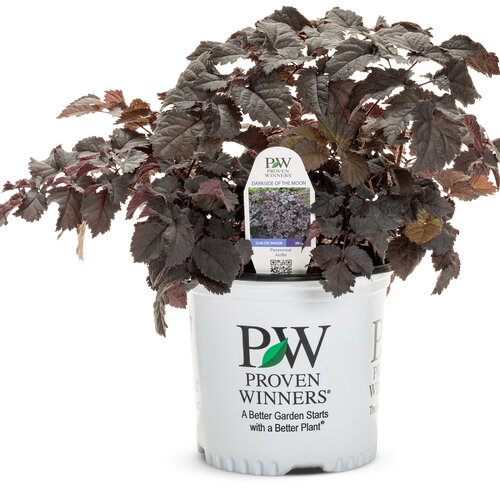
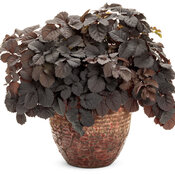
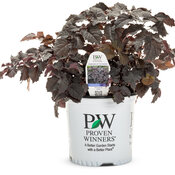
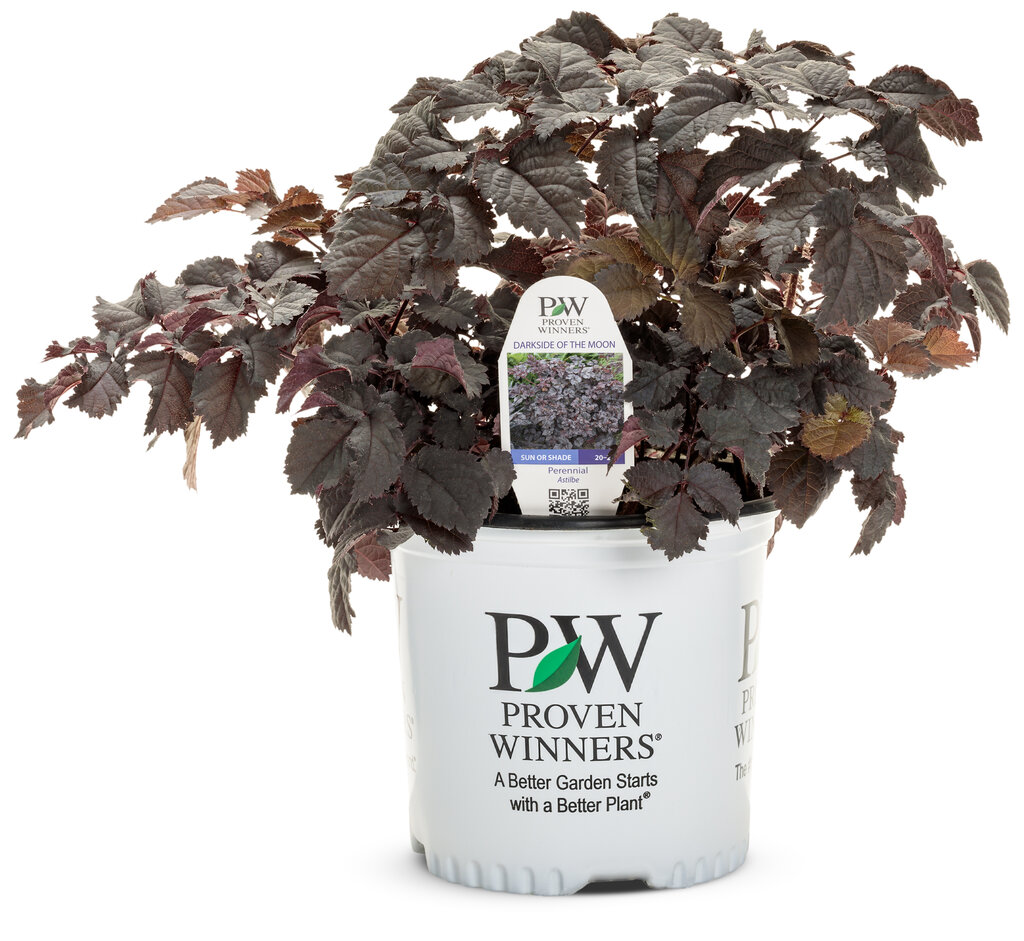
'Dark Side of the Moon' Astilbe hybrid
- Sun or Shade
- Spring
- Summer


-
20 - 22 Inches24 - 28 Inches24 - 28 Inches51cm - 56cm61cm - 71cm61cm - 71cm
Features
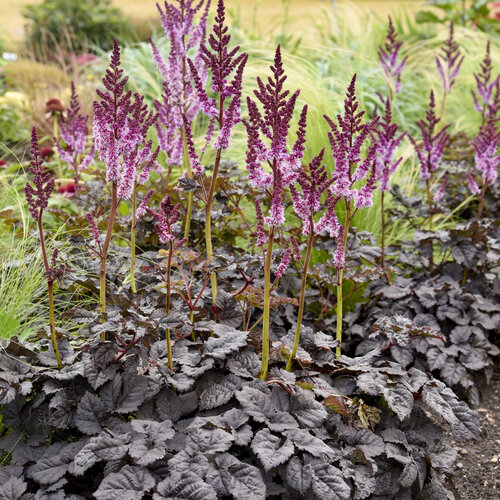
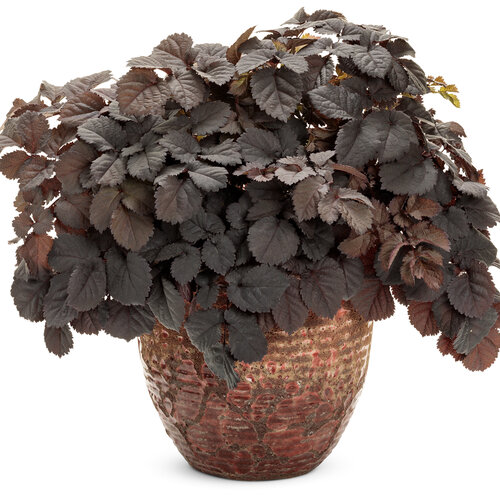
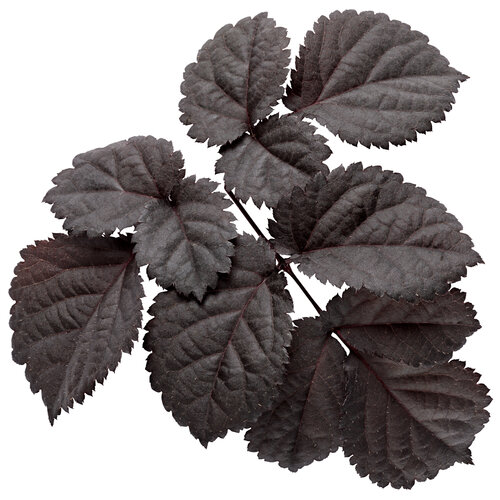
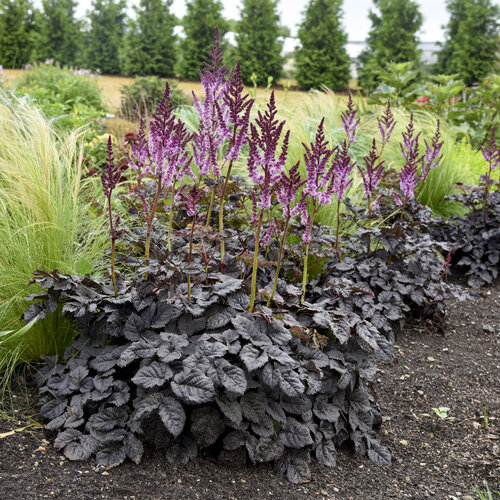
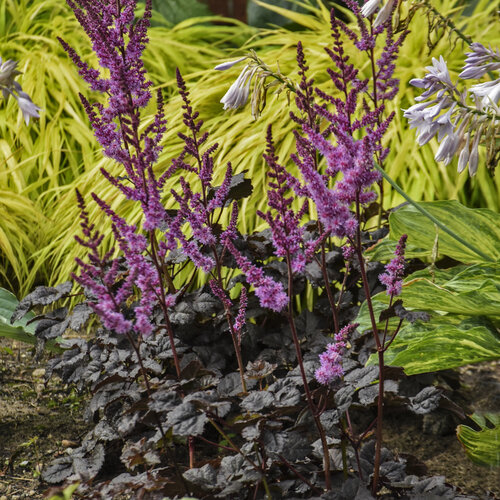
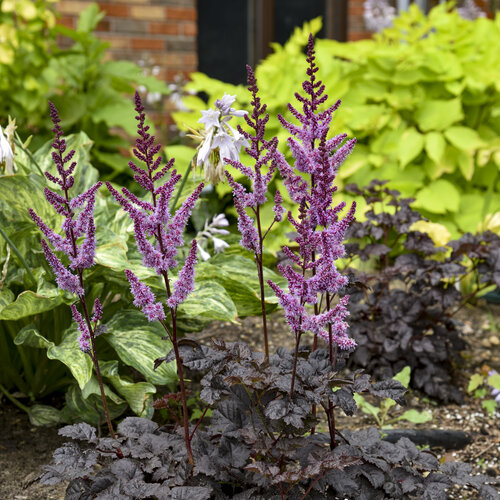
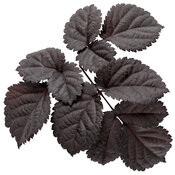
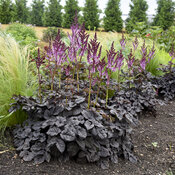
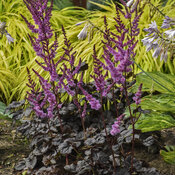
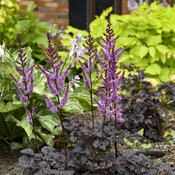
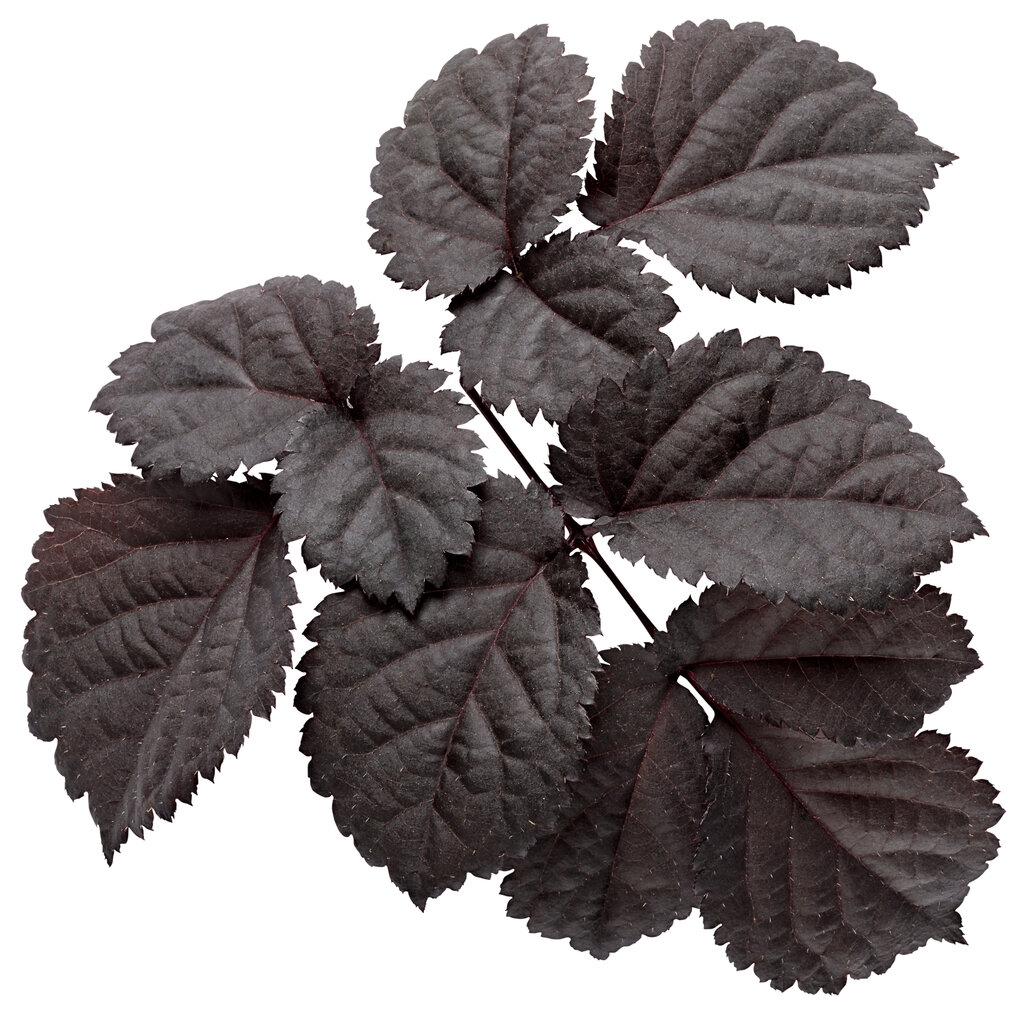
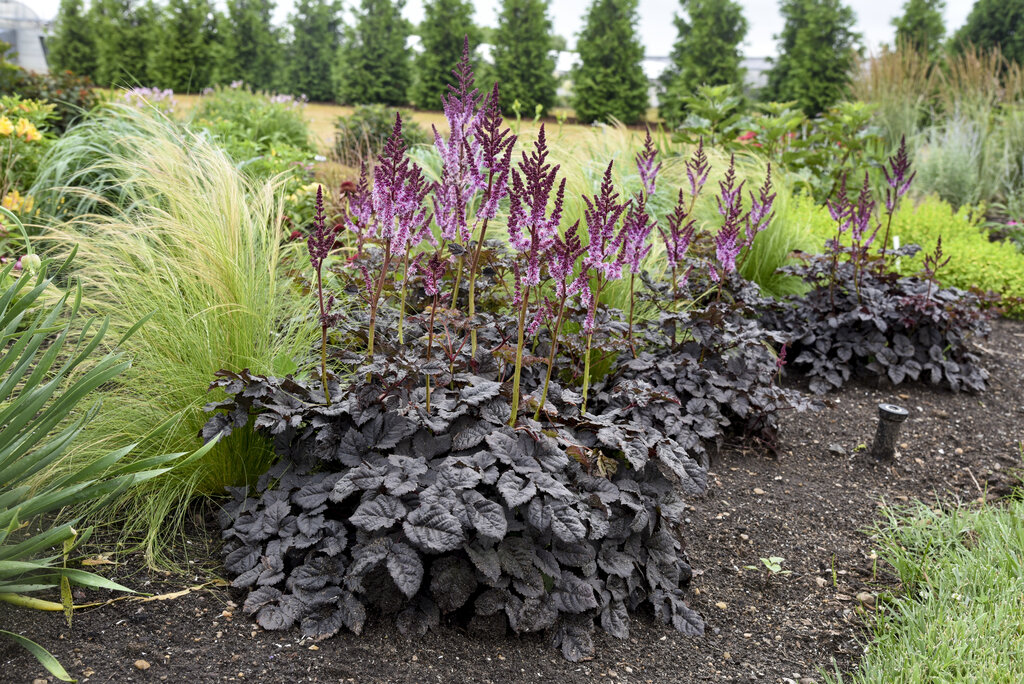
The novel combination of dark foliage and purple flowers on ‘Dark Side of the Moon’ astilbe will make it an instant classic perennial for your landscape. Deep chocolate-burgundy, matte textured leaves first emerge shiny with hints of yellow, forming a robust, eye-catching mound.
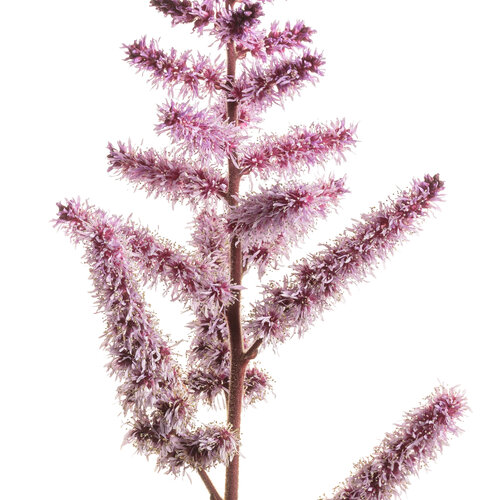
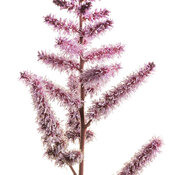
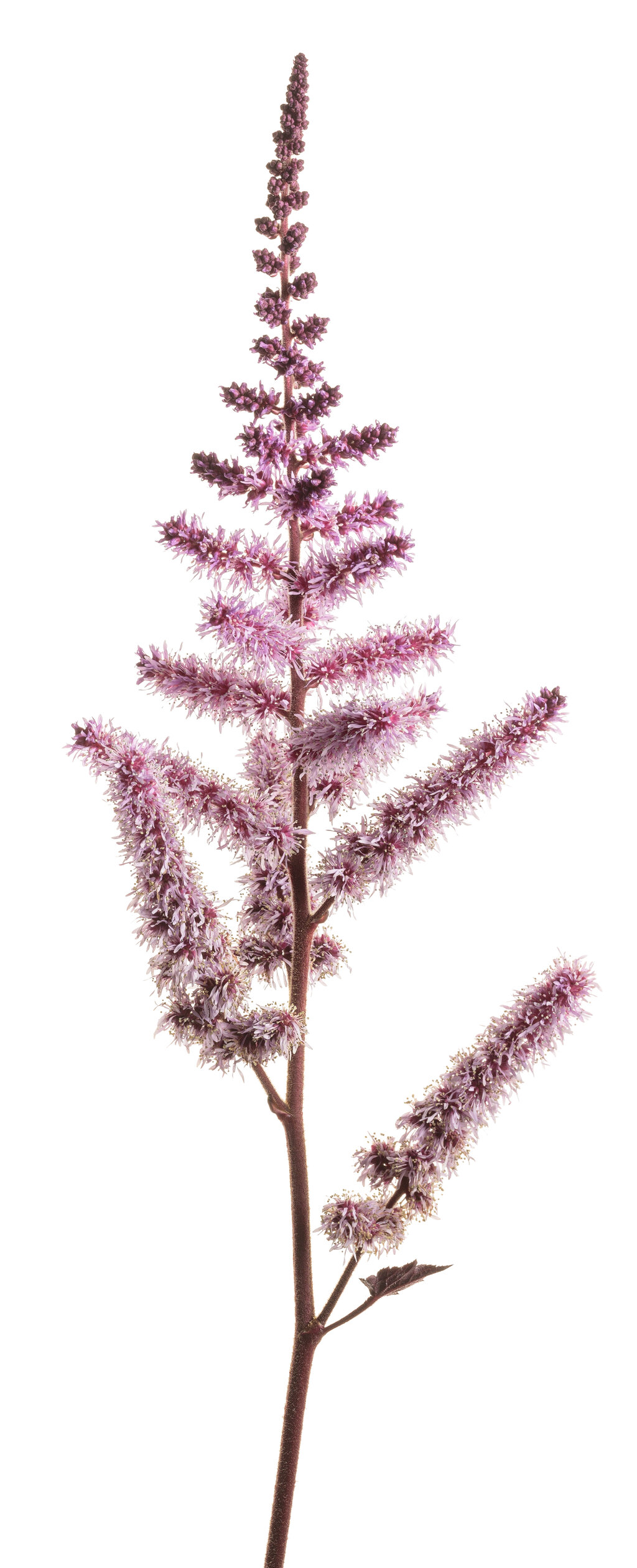
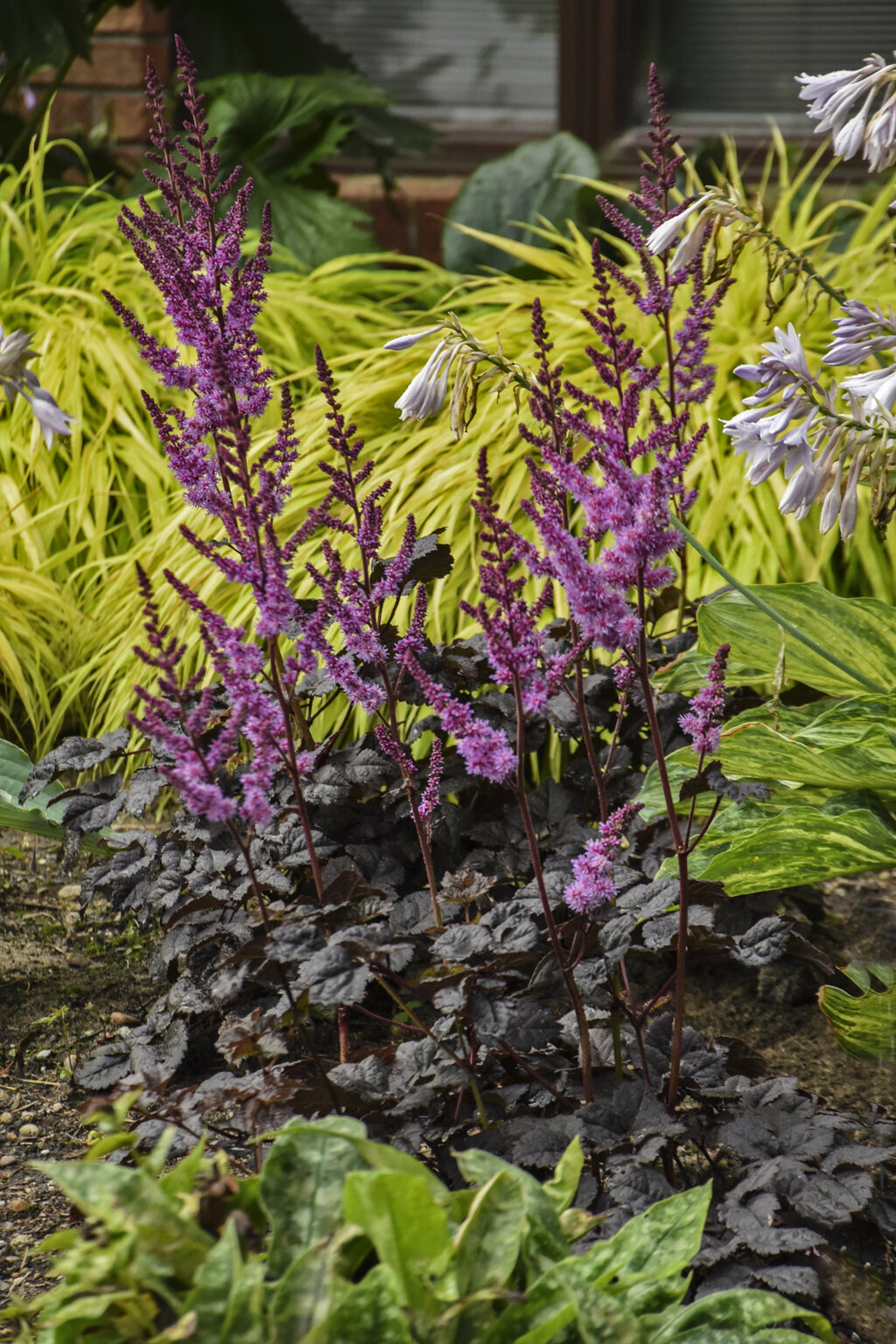
‘Dark Side of the Moon’ is a type of Astilbe chinensis (Chinese astilbe) which is a later blooming species that is useful for adding late season color to the landscape. In late summer, dark stems rise above the foliage carrying raspberry-colored buds which open to rosy purple flowers.
Best SellerAward WinnerFoliage InterestAttracts:BeesResists:Deer, RabbitsCharacteristics
Plant Type:PerennialHeight Category:MediumGarden Height:20 - 22 Inches 51cm - 56cmSpacing:24 - 28 Inches 61cm - 71cmSpread:24 - 28 Inches 61cm - 71cmFlower Colors:PurpleFlower Shade:Rosy purpleFoliage Colors:BlackFoliage Shade:BlackHabit:UprightContainer Role:FillerPlant Needs
Light Requirement:Sun or ShadeThe optimum amount of sun or shade each plant needs to thrive: Full Sun (6+ hours), Part Sun (4-6 hours), Full Shade (up to 4 hours).
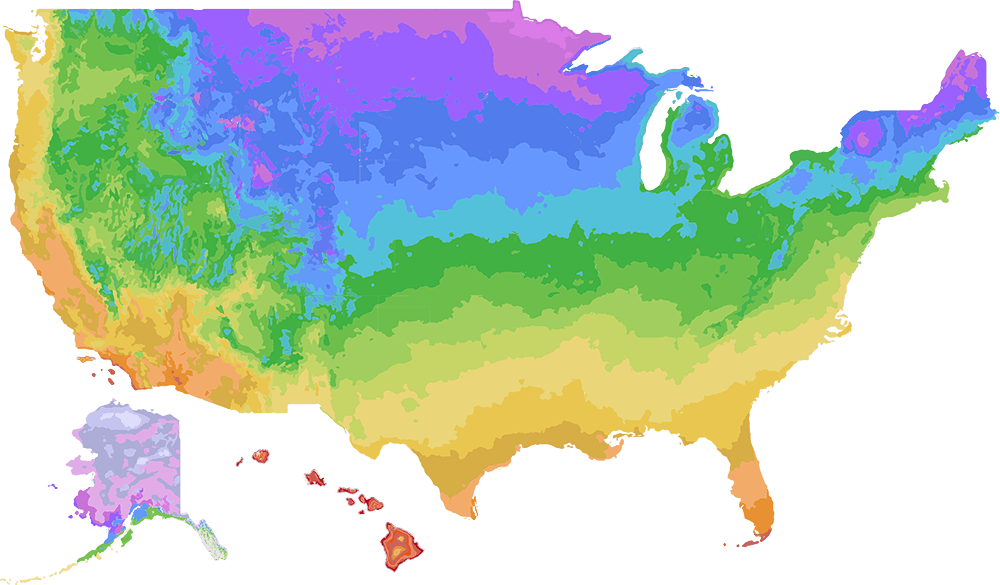
Maintenance Category:EasyBloom Time:SummerHardiness Zones:4a, 4b, 5a, 5b, 6a, 6b, 7a, 7b, 8a, 8b, 9a, 9bWater Category:ConsistentSoil Fertility Requirement:Average SoilSoil Fertility Requirement:Fertile SoilSoil PH Category:Acidic SoilSoil PH Category:Neutral SoilUses:Border PlantUses:ContainerUses:Cut FlowerUses:Dried FlowerUses:Mass PlantingMaintenance Notes:Astilbes are long-lived perennials that enjoy nutrient rich soils. Though all kinds of astilbe enjoy growing in moist soil, ‘Dark Side of the Moon’ is a cultivar of Astilbe chinensis which can typically handle moderately drier soils compared to other species. However, its growth will be more robust in moist soil. In northern climates, ‘Dark Side of the Moon’ will grow bulkier and have more flowers if grown in sunnier conditions as long as there is adequate moisture. However, it will also grow well in the shade in the North and in warmer climates. Fewer flowers may be produced in deep shade.
You will know your astilbe is too dry if the leaves start to develop brown, crispy margins and they start to drop. Prevent this by keeping the soil consistently moist if possible, and increase watering as the plant begins to flower.
Wait to cut the old foliage back in the spring rather than in the fall so it can help to protect the plant from winter damage. If part of the root ball has heaved over the winter, meaning risen up above soil level, gently press or dig it back into the ground and apply some fresh humus or compost around the base of the plant. Astilbe can be fed with slow release plant food in late spring before the plant begins to flower.
Fun Facts:2026 Perennial of the Year.
'Dark Side of the Moon' Astilbe hybrid USPP 35,461, Can PBRAF -
534131211Browse reviews from people who have grown this plant.
-
Val, Wisconsin, United States, 46 sec ago
-
Very underwhelming. Had them for 2 years, never bloomed. In part sun, they still shrivel up and die no matter how much water I give them. I expected more from a proven winner variety.
Joscelyne Nakhla, Ontario, Canada, 1 year ago -
I LOVE DARK FOLIAGE! This is the best dark leaved astilbe that I have seen yet. Been in the ground a year and came back beautifully
Larry Olson, Georgia, United States, 1 year ago -
I bought 20 of these last spring. I thought I had gone mad, but after seeing them in the ground I wish I had more. All came though my Zone 5 winter and are already looking great at the end of May 2024. This is an impressive plant. It looks amazing paired with light green, and even better with dark green foliage plus white blooms. The leaves are large enough to provide an almost architectural contrast with other astilbe. Many of my plants also developed occasional orange/red sections on the older leaves by mid-summer. I don't know if this is normal, but it looked incredible paired with lilium "Henryii" and honeysuckle "Dropmore Scarlett", not to mention the contrast with the plant's own purple blooms. Finally, the leaf color is consistent from nearly full-shade to almost full-sun. This really helps create a uniform effect in the section of the garden which spans shade to sun.
Rod Cater, New Brunswick, Canada, 2 years ago -
I bought 2 of these gorgeous plants this year. One is doing great, it even flowered beautifully. The other is toast. They are in different areas of the garden but similar environments. Not sure what happened. Maybe it will surprise me and pop up next spring, it would be a big surprise. I will check my soil in the area and try again next year I guess. They are such beautiful plants with the deep colored leaves, it looks amazing next to my lime green huecara and lungwort. Love this plant!! Giving a 4 because one didn't make it 1 season.
Donna Staub, Kentucky, United States, 3 years ago -
I instantly fell in love with this plant and absolutely thrilled to add it to my flower bed!!
Jeanean Arias, Florida, United States, 4 years ago
Award Year Award Plant Trial 2022 Director's Select & Best of Species Penn State University -