



8 Practical Alternatives to Boxwood Shrubs
Are you looking to replace your boxwood shrubs with something more disease-resistant? Here are eight recommended substitutes that will give you a similar look without all the fuss.
At a glance
Boxwood blight has no reliable treatment, so a resistant alternative avoids the risk entirely.
Gem Box® and Strongbox® inkberry holly are the closest boxwood lookalikes and shear the same way.
Most of these substitutes need little to no pruning to keep their shape.
Perfecto Mundo® Double Pink blooms on old and new wood, so prune it right after its spring flowers fade.
Stonehenge Dark Druid® yew tolerates full shade better than the others here, but deer there may mean repellent or a different shrub.
Are you looking to replace your boxwood shrubs with something more disease-resistant? Here are eight recommended substitutes that will give you a similar look without all the fuss.

Sprinter® boxwood

Boxwood (Buxus) is one of the most widely planted evergreen shrubs in the world. Since they are adaptable to many different growing conditions and easy to maintain, people often plant boxwoods in large numbers to create tidy hedges. Shearing them into formal shapes won’t hurt them a bit, and they will reward you with year-round interest.
Unfortunately, boxwood blight, a lethal disease caused by a highly contagious fungus, has become prevalent in the U.S. since it arrived from Europe a decade ago. Black spots on the leaves and stems, followed by defoliation, are telltale signs of boxwood blight. There is no good treatment for it, and once one of your boxwood shrubs has contracted it, the fungus can quickly spread to your other boxwoods.
There is some good news, however. Breeders are working diligently to develop and test varieties of boxwood that are resistant to the blight. Our North Star® and Sprinter® boxwoods have been shown to have very good resistance to boxwood blight in trials.
Substitutes for Boxwood
If you’d like to find an alternative to boxwood that is not susceptible to the boxwood blight fungus, check out the eight plants shown below. Some look so much like boxwood that you’ll be hard pressed to tell the difference. Others perform a similar function as a boxwood hedge but with a slightly different appearance that you may like even better.

Gem Box® inkberry holly


Strongbox® inkberry holly

Inkberry Holly
Gem Box® and Strongbox® Ilex glabra
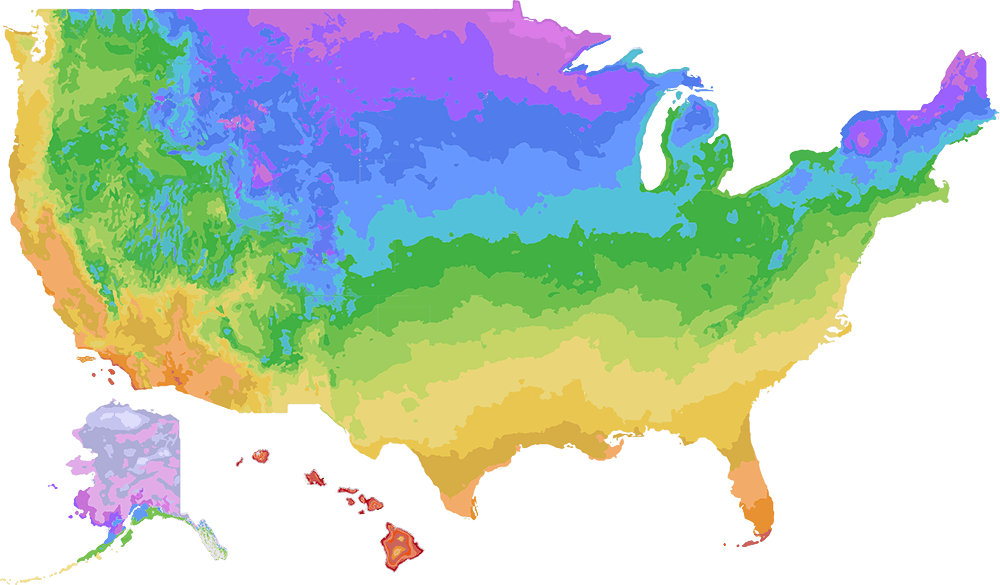
The closest boxwood lookalike you’ll find is inkberry holly, specifically two varieties developed expressly for this purpose. Inkberry holly has small, oval leaves that look more like boxwood leaves than the spiny points of traditional holly leaves. They are soft to the touch and won’t be scratchy when you walk by. Like boxwood, these evergreen plants can be sheared into balls, boxes, and hedges.
Inkberry holly is native to coastal states from Maine to Texas and is hardy in zones 5-9. It grows a bit faster than boxwood but is not drought-tolerant. It will be happiest in moist, acidic soil in sunny or partly shaded conditions. These varieties reach 2-3’ tall, with Gem Box having a slightly more rounded shape and Strongbox growing a bit wider than tall.

Brass Buckle® Japanese holly

Japanese Holly
Brass Buckle® Ilex crenata
For a shorter, brightly colored hedge around your patio, along your front pathway, or in containers, choose Brass Buckle Japanese holly. Its leaves are similar to inkberry holly but are slightly smaller and stay bright yellow all season long. This plant thrives in part shade conditions, but even when grown in full sun, its lightly colored foliage is burn-resistant.
This is one of the most dwarf Japanese hollies you’ll find, maturing to just 12-18” tall. That makes it ideal for use as a low-growing border in front of a bank of roses or other mid-sized shrubs and perennials in the landscape. Like boxwood, it is easy to shear into a formal hedge. Hardy in zones 6-8.

Juke Box® pyracomeles

Pyracomeles
Juke Box® Pyracomeles
Chances are you’ve never heard of a shrub named Pyracomeles. It may not have an easy common name to remember like boxwood, but we promise that it is much easier to grow than to pronounce! This dwarf evergreen shrub forms a mound of tiny, shiny, dark green leaves on thin stems. If left unpruned, it will form a thick, mounded, evergreen mat. With a little shearing after the new growth flushes out in spring, it is easily shaped into a traditional boxwood-like ball, square, or hedge.
Juke Box pyracomeles grows 1-3’ tall and wide in full sun to part shade conditions in zones 7-9. Though it has survived the winter for several years in zone 6, it typically sustains some winter damage to its evergreen foliage, which is why we recommend it for areas further south. Any well-drained soil and average moisture will keep this plant happy.

Tater Tot® globe arborvitae

Globe Arborvitae
Tater Tot® Thuja occidentalis
By now, you are starting to see the theme here. There are lots of densely rounded, boxwood-like shrubs you can substitute for Buxus in your landscape without the worry of boxwood blight. Next up is this super cute evergreen globe arborvitae that’s worth growing for its name alone.
Tater Tot arborvitae has a shape much like its namesake, forming a slightly taller-than-wide mound of dark green, aromatic, fan-shaped leaves. Very little, if any, pruning is needed to achieve the look you see here. If your goal is to create a tighter hedge, space the plants about one foot apart. Your Tater Tot hedge will grow up to 2’ tall unless you prefer to keep it slightly shorter by lightly shearing it back in spring. Full sun to part shade and well-drained soil are what this shrub needs to thrive in zones 3-7.

Anna's Magic Ball® globe arborvitae

Globe Arborvitae
Anna’s Magic Ball® Thuja occidentalis
If you love the look of Tater Tot arborvitae but need something a little smaller, try Anna’s Magic Ball. It’s similar in size and shape to a bright yellow bowling ball, growing just 10-15” tall and wide. Those shown in the picture above are nearly full-grown, so you can get an idea of how they could work for you as a short, whimsical, evergreen hedge. Try it in full sun where its lightly colored foliage won’t burn, or in a partly shaded location that sees 4-6 hours of sun each day.
Like Tater Tot arborvitae, this plant is easy to grow in any well-drained soil in zones 3-7. This species of arborvitae is native to much of the eastern U.S. and Canada. Very little, if any, pruning is needed to maintain its densely spherical shape.

Stonehenge Dark Druid® yew

Yew
Stonehenge Dark Druid® Taxus x media
If you are looking to plant a hedge in partial to full shade, you’ll find this is the most shade-tolerant plant of the eight described in this article. It’s one of the primary reasons people choose to grow yews, coupled with their easygoing nature. If your shade also attracts deer, however, you may need to protect them with an animal repellent or choose an alternative shrub. Yews also grow well in full sun conditions.
Yews mature slowly but are very long-lived, which makes them ideal for planting as a hedge. They are easy to shear into just about any shape you can dream up, from a classic boxy hedge to the whimsical characters you’ll see yews carved into on the great lawn of the world-renowned Longwood Gardens.
Stonehenge Dark Druid forms a 2-3’ tall by 3’ wide mound of dark green, soft, needlelike foliage. It retains its color beautifully through all four seasons and is very cold-hardy, thriving in zones 4-7.

Perfecto Mundo® Double Pink reblooming azalea

Reblooming Azalea
Perfecto Mundo® Double Pink Rhododendron
This amazing azalea does something your boxwood hedge could never do – it blooms! Gorgeous, soft pink, double flowers adorn this shrub in the springtime. After taking a bit of a rest, it blooms again from midsummer to frost. Its bright green, evergreen leaves are similar in shape to boxwood, and the plant typically grows 2-3’ tall and wide. Perfecto Mundo azaleas come in more colors, too. Once you have success with one, you’ll want to collect them all.
These reblooming azaleas bloom on both old and new wood, so the best time to prune them is immediately after their spring flowers fade. Lightly trimming the plants encourages new growth, and with new growth comes even more flowers.
This azalea is hardy to zone 6b and is better suited to milder coastal areas of zone 6b than harsher Midwestern sites. If you wish to plant it in zone 6b, choose a sheltered location in sun or part shade and mulch around its roots for added protection.
Want to learn more about substitutes for boxwood? Check out this interesting blog written by The Plant Hunter, Tim Wood, who is the director of product development at Proven Winners ColorChoice Shrubs.