



What's up North™, Charlie Nardozzi - Site Issues in the Northern Garden
Knowing the amount of sun and shade you have in your garden is critical to selecting the right plants for the right place. But there are other factors in the northern garden that will influence your plant's health.

Site Issues in the Northern Garden
Knowing the amount of sun and shade you have in your garden is critical to selecting the right plants for the right place. But there are other factors in the northern garden that will influence your plant's health.
One of the fastest ways to kill a plant is to plant the wrong plant in a site with heavy clay soil and poor soil water drainage. I know this from my experience, having tried three different varieties of trees in a spot on our property until I found the right one that could cope with the clay. Before planting a tree or shrub, check the water drainage of your soil. Dig a hole 1 foot wide and deep and fill it with water. Let it drain. Then, fill it up again. Measure the depth of the water, wait 15 minutes, and measure it again to see how much water has drained. Multiply the difference by 4 to calculate how fast the water drains in an hour. Good soil water drainage should be around 2 to 3 inches an hour. If the water drains 1 inch or less per hour, this site is poor for most trees and shrubs except wet soil-adapted plants such as willows. If it drains 4 inches or more an hour, then it's best to grow drought-tolerant plants or amend the soil heavily with organic matter to help hold the water. A solution for poorly drained sites is to build a raised bed on the site and amend the soil with compost.
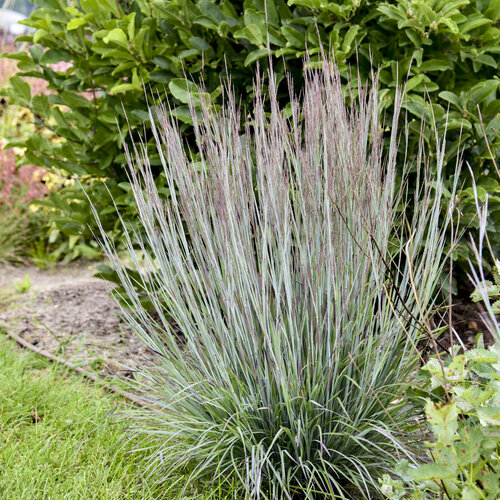
Another factor is wind. As the climate changes, I've noticed more severe storms in all seasons usually accompanied by heavy winds. Some plants are tough enough to withstand high winds, but young shrubs, trees and soft wooded plants, such as willows, pines and poplars, can be damaged severely by wind. Observe where the prevailing winds come from in your yard. Consider planting a windscreen of native evergreens, such as juniper, spruce, and fir trees, or deciduous trees, such as hawthorn, oak and maple, in those areas to withstand the wind. This will also create a microclimate on the leeward side of those plantings to grow perennials that often flop in the wind such as peonies and hollyhocks. You can also plant wind-tolerant perennials, such as 'Perfect Profusion' perennial salvia - Salvia nemorosa, Prairie Winds® Brush Strokes little bluestem - Schizachyrium scoparium ornamental grass, and 'New Hampshire Purple' hardy geranium, bloody cranesbill Geranium sanguineum in the windy spots.
 |  |  |
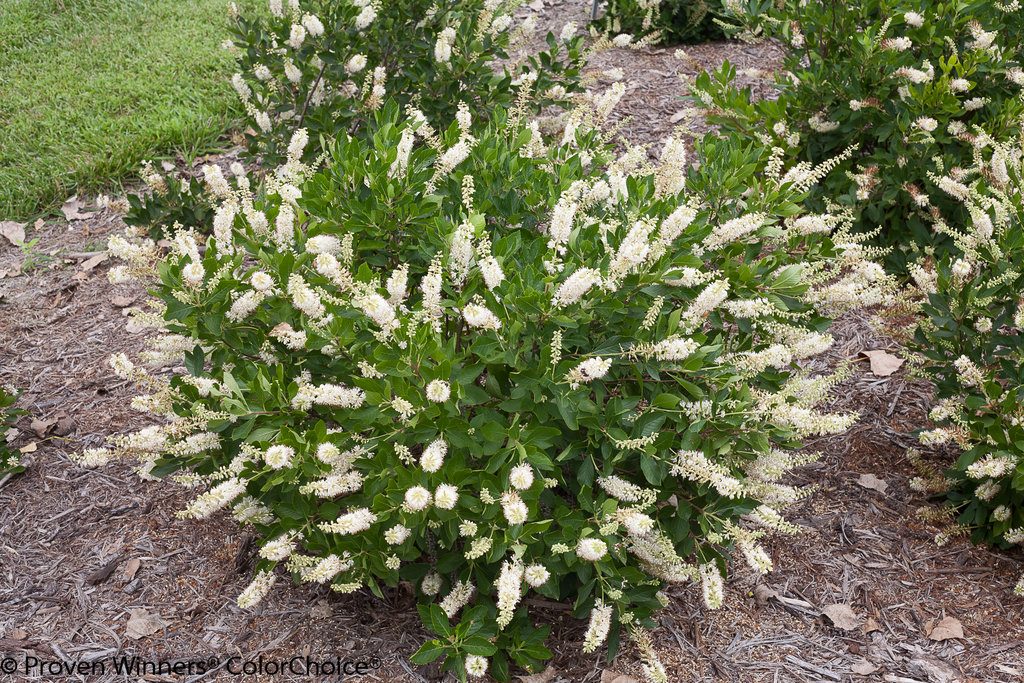
Finally, consider sight lines. In the North, we spend lots of time looking at our garden from indoors during cold, rainy springs and falls. When planting, especially blooming spring and fall flowers, choose locations to enjoy them from the comfort of your home. Also, when growing fragrant shrubs, such as Vanilla Spice® summersweet - Clethra alnifolia, and flowers, such as Oriental lilies, place them close to a window where the scent can perfume the home.