




All Articles
Summer is the time to enjoy the fruits of your spring labor and have fun in the garden. While you’re at it, keep up on these 10 basic summer gardening tasks and your plants will reward you by growing and blooming strong all the way through fall.
The search for the elusive true red flower is over! We know the color red is widely interpreted to mean everything from dark pink to wine purple when it comes to plants. As you plan your spring and summer containers or design your landscape, use this list as a guide to finding the perfect shade of red.
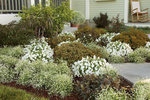
There is a unique sense of pride that comes from decorating your home with homegrown floral arrangements harvested directly from your backyard. Success starts with a strategic cutting garden layout that prioritizes high-yield stems and easy access for frequent snipping. By focusing on the best flowers for bouquets—those with sturdy stems and long vase lives—you can ensure a steady supply of color indoors. Whether you are just starting a cut flower garden or looking for better techniques for harvesting fresh flowers, these five tips will help you cultivate a space that is as productive as it is beautiful.
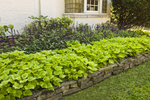
Clay soil is much maligned by gardeners and homeowners everywhere, and no wonder: it’s heavy, sticky, and difficult to work in. But the simple fact is that clay soil gets its bad rap because it’s hard on people - from a plant’s point of view, clay soil is usually not problematic at all. In fact, clay soils offer plants two major advantages over other soil types: they hold water well, minimizing drought stress, and are abundant in nutrients essential for plant growth. So, if you’ve been struggling to achieve your dream garden or landscape in clay soil, cheer up! Here are ten beautiful annuals that will thrive in clay.

Flowers may come and go, but fabulous foliage is hard at work every single day bringing beauty and color to shady garden spaces. Some plants with fun foliage act as a backdrop for flashier flowering plants while others steal the show all on their own. Here are twenty of our best shade-tolerant annuals, perennials and shrubs that offer season-long color in containers and landscapes.
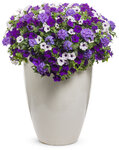
You’ve seen gorgeous container recipes in pictures, but how do you get that look? It takes some time to learn how to design container combinations like a pro, but we have a few key tips that will prompt a successful start. Let’s take a look at five guidelines for choosing container companions.
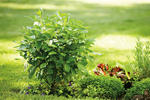
Essential elements for plant nutrition include nitrogen, phosphorus, potassium, calcium, zinc, copper, molybdenum, magnesium, iron, sulfur, manganese and boron. They come from the soil and from applied fertilizer. Plants obtain carbon, hydrogen and oxygen from the air or through the soil.
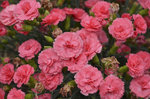
Supporting pollinators ranks high among gardeners’ concerns and we agree—we all need to do what we can to provide a beneficial habitat, food and shelter for these critical creatures with pollinator friendly perennials. Let’s take a look at ten perennials for bees and more you can grow to provide beauty and sustenance in your garden.
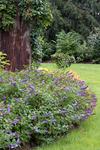
“Why isn’t my plant showing any signs of life when everything else in my yard is?” you start to wonder. “Is it dead?”
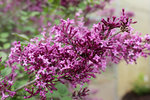
Clay soil is much maligned by gardeners and homeowners everywhere, and no wonder: it’s heavy, sticky, and difficult to work in as part of clay soil gardening. But the simple fact is that clay soil gets its bad rap because it’s hard on people - from a plant’s point of view, clay soil is usually not problematic at all, particularly for plants that grow in clay soil. In fact, clay soils offer plants two major advantages over other soil types: they hold water well, minimizing drought stress, and are abundant in nutrients essential for plant growth. So, if you’ve been struggling to achieve your dream garden or landscape in clay soil, cheer up! Here are ten beautiful shrubs that will thrive in clay.